Aviation Switching Module – NSN 4920-01-250-2696 (AS-IS / Untested): Aerospace Electrical Control Component
Aviation Switching Module – NSN 4920-01-250-2696 (AS-IS / Untested): Aerospace Electrical Control Component
Blog Article
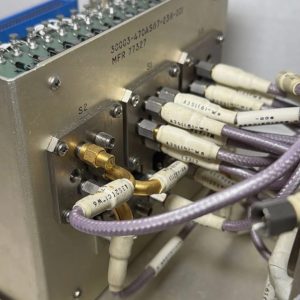
The Aviation Switching Module – NSN 4920-01-250-2696 (AS-IS / Untested) should be purchased with the understanding that no operational, calibration, serviceability, compatibility, or installation guarantee is being made.
An Aircraft Switching Module may control, route, select, isolate, or distribute compatible electrical signals or circuits, while an Aerospace Switching Module should be evaluated according to its exact internal design and intended equipment relationship.
The Aircraft Electrical Switching Module may route selected circuits, while the Aviation Electrical Control Module, Aircraft Power Switching Module, Aerospace Electrical Control Unit, and Aircraft Signal Switching Module terms should not be interpreted as confirmed functions without documentation.
Whether described as an Aviation Control Module, Aircraft Switching Unit, Aerospace Power Distribution Module, Aircraft Electrical Control Unit, or Aviation Power Control Module, the component should remain identified primarily by its NSN and physical markings.
Overview of the Aviation Switching Module
Accurate NSN verification helps reduce purchasing errors and prevents an unrelated module from being represented as compatible equipment.
The exact manufacturer, model number, electrical specifications, switching functions, and associated equipment should be confirmed through reliable technical references whenever available.
Buying an Untested Aviation Module
Internal faults, missing components, damaged wiring, corrosion, previous modification, storage deterioration, or electrical failure may be present even when the exterior appears clean.
Bench more info testing should begin only after technical documentation, circuit protection, connector identification, and safe power requirements are established.
Aviation Switching Hardware Uses
An Aircraft Switching Module may provide circuit selection, signal routing, controlled connection, isolation, mode selection, or interface functions within compatible aviation equipment.
A detailed visual inventory supports informed evaluation of the Aircraft Switching Module.
Aerospace Switching Module Construction
Age, handling, impact, humidity, temperature changes, contamination, and long-term storage can affect both mechanical and electrical condition.
Protective caps should remain installed during storage and shipping when available.
Evaluating Aircraft Electrical Components
An Aircraft Electrical Switching Module should be inspected for overheated areas, burned insulation, damaged terminals, loose hardware, corrosion, moisture entry, broken controls, and signs of previous disassembly.
Seals, labels, inspection marks, tamper indicators, and original component arrangements may have historical or technical value.
Choosing an Aviation Electrical Control Module
The module may interact with relays, switches, indicators, sensors, power sources, test connections, or other control equipment.
Aggressive solvents, scraping, repainting, or polishing may remove original information.
Aviation Power Circuit Management
Power switching equipment can create heat, arcing, or equipment damage when connected incorrectly.
Missing covers or barriers may expose conductive points and increase handling risk.
Electrical Control Unit Restoration
An Aerospace Electrical Control Unit may combine switching, control, indication, interface, or distribution functions within one enclosed assembly.
Undocumented modifications can make future troubleshooting and identification more difficult.
Signal Switching Module Inspection
An Aircraft Signal Switching Module may route low-level, control, communication, measurement, or test signals between compatible equipment channels.
Original cable assemblies may add significant value when included.
Choosing an Aviation Control Module
Clear intended use helps establish realistic expectations for an AS-IS Aviation Control Module.
Accurate configuration review reduces the risk of an unsuitable Aviation Control Module acquisition.
Aircraft Switching Unit for Maintenance or Restoration
A complete but untested unit may have different value from an incomplete component known to contain damage.
Responsible educational use can extend the value of the Aircraft Switching Unit.
Power Distribution Module Inspection
Power distribution equipment may use switches, relays, terminals, bus structures, circuit protection, and control interfaces depending on design.
Preserving the original structure protects the Aerospace Power Distribution Module and its resale value.
Control Unit Connector and Switch Review
Documented condition improves confidence among buyers of legacy Aircraft Electrical Control Unit equipment.
Unknown circuits should not receive voltage simply because a connector pin appears to be a power input.
Inspecting a Power Control Module
Responsible product information protects buyers seeking an Aviation Power Control Module.
Warning labels should remain visible and legible.
Aircraft Electronic Switching System Integration
System diagrams can help identify required inputs, outputs, grounds, control logic, and companion components.
Professional analysis supports responsible Aircraft Electronic Switching System maintenance.
Protecting an Aerospace Switching Unit
Connector caps should remain fitted, and the module should be supported without placing pressure on switches, knobs, cables, or mounting brackets.
The module should be enclosed in a moisture-resistant protective layer and placed inside a strong outer carton or suitable shipping case.
Buying AS-IS Aviation Electronics
The potential cost of connectors, manuals, test equipment, repairs, components, and specialist labor should be included in the buying decision.
Transparent disclosure strengthens trust in an Aircraft Electrical Module transaction.
Aerospace Module Pre-Purchase Inspection
The AS-IS and untested condition should appear clearly within the title, description, invoice, and transaction terms.
- Verify the module identity through its NSN, data plate, physical configuration, connector arrangement, and available technical references.
- Arrange qualified technical evaluation whenever condition, internal status, or testing requirements remain uncertain.
- Retain purchase records, photographs, labels, research, testing notes, and repair documentation with the module.
Safe Testing of an Aircraft Switching Unit
Testing should begin with identification research, visual inspection, connector mapping, safety review, and examination of available technical documentation.
The test should stop immediately if overheating, smoke, arcing, excessive current, unstable operation, or unusual odor occurs.
Aircraft Electrical Module Repair Planning
Professional restoration can improve the usability and value of the Aerospace Switching Module.
Accurate records support future maintenance and responsible resale.
Aviation Switching Module Conclusion
The Aviation Switching Module – NSN 4920-01-250-2696 (AS-IS / Untested) may suit aviation workshops, military-surplus collectors, aerospace technicians, educational programs, equipment restorers, and specialist parts buyers.
An experienced aviation-electronics technician should assess the module before it is powered, installed, or connected to other equipment.
Whether the requirement is an Aircraft Switching Module, Aerospace Switching Module, Aircraft Electrical Switching Module, or Aviation Electrical Control Module, exact identification should guide the purchase.
With prompt attention to switches, connectors, wiring, enclosure condition, corrosion, labels, and internal components, the module can preserve its technical and commercial potential.
Report this page